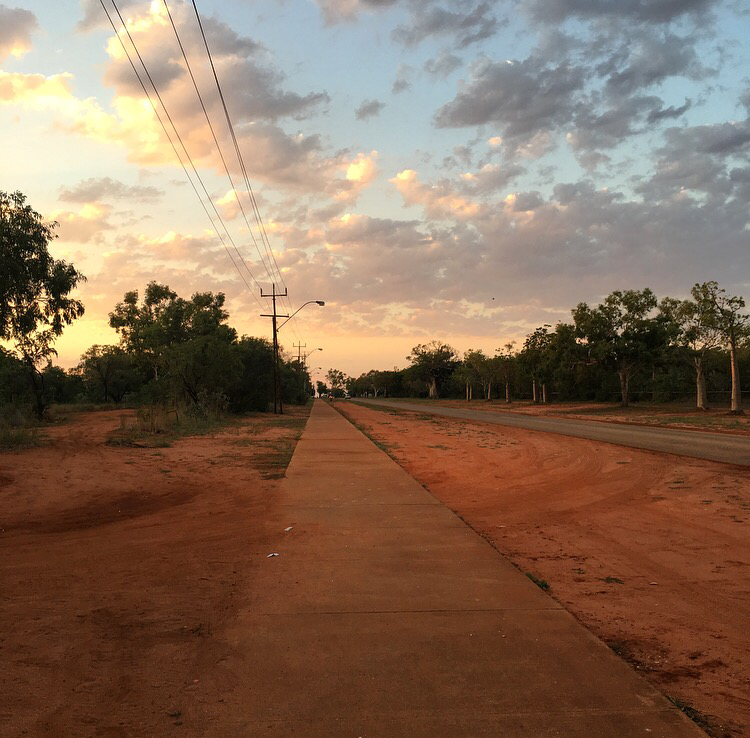
I arrived in Derby travel-weary and aching just before 5am on Thursday morning. As such, the day was not productive. Tiredness seems to makes everything a fraction less bearable. The day comprised of unsuccessfully napping, unsuccessfully rearranging my flight home, burning my tongue on the only coffee I could find in the whole town, and trying not to cry in the local supermarket. In my defence, capsicums are more than $9 a kilo here.
The coffee eventually cooled down and I eventually pulled myself together by the afternoon. On my way to the visitor centre I was beckoned over to a group of aboriginal men sitting at a park bench. They were carving pictures into boab shells and trying to sell them to passers-by. They were mostly of local wildlife – barramundi, kangaroos, dogs – and filled with intricate patterns and shadings. They were only using small chopping knives. They wanted to know my name and shake my hand, some were more drunk than others, but they were all very pleasant. One man’s hand was so calloused and feathered from carving that it felt like the coarse fibres of a bath towel. I said I’d see them again if they were at the markets the following Saturday, and one promised that he’d he’d play me a song on his guitar. I had not mentioned my interest in music at all.
I had a long chat with the ladies in the tourism office about the shifting economies of the town. There has been a military base and a detention centre at various points in time; mining and pastoral ventures have come and gone. The population has swelled and shrunk with the coming and going of these industries, as has the flow of money into the town. I found out later that the Indigenous youth of Derby and surrounding communities are in crisis, as are many youth in WA. There is a sense of disempowerment and despair in this rapidly changing place, especially for those who are less inclined to leave due to familial obligations and connection to country.
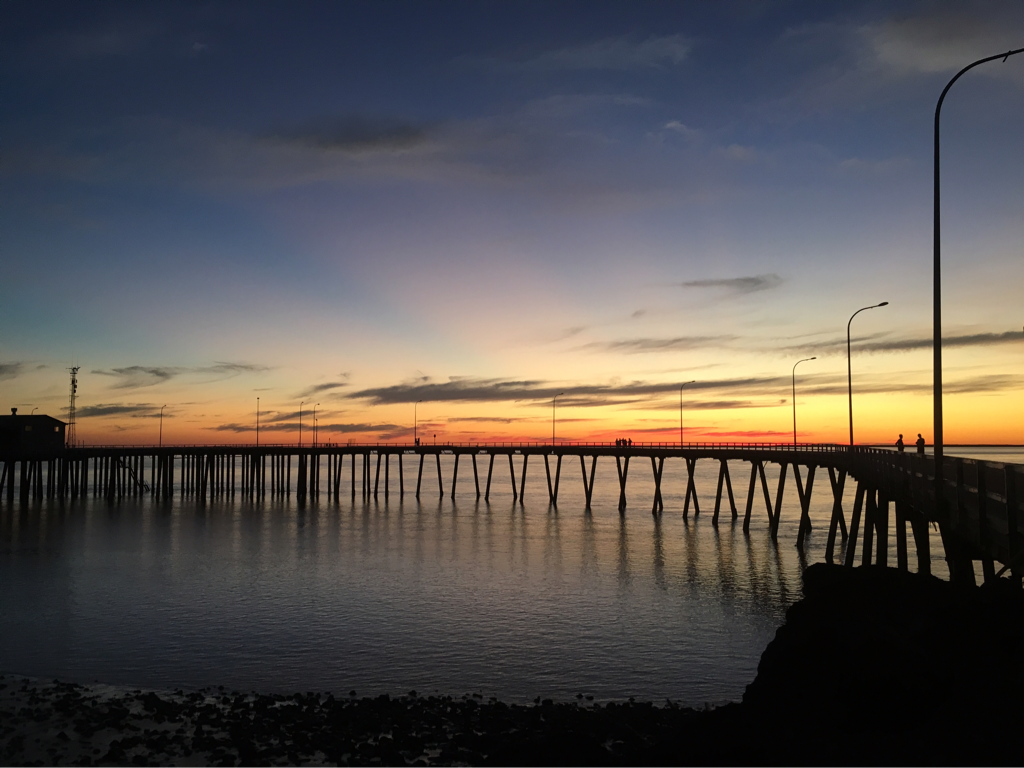
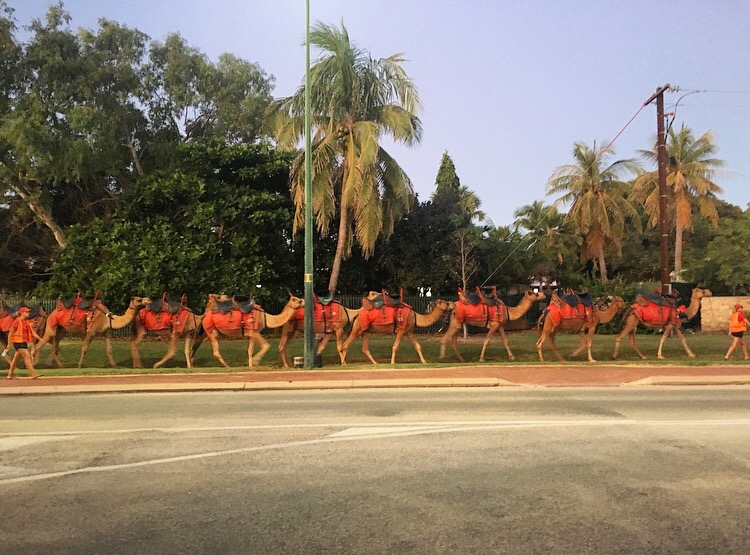
The town itself is spread out on an ovular patch of red earth upon tidal mud flats. The main street is lined with boab trees, spaced evenly along a nature strip of perfectly manicured, vibrant, green grass, made so by automatic sprinklers between the hours of 12 and 5 AM. Judging by the tone of voice of the tourism officer these lawns are a source of much pride for the town. The main street leads to the Derby jetty, a very tall structure under which flow some of the highest tides in the world (up to 11 metres!) and upon which one will find posies of grey nomads marvelling at how their cameras capture the colours of the sunset better than their own eyes.
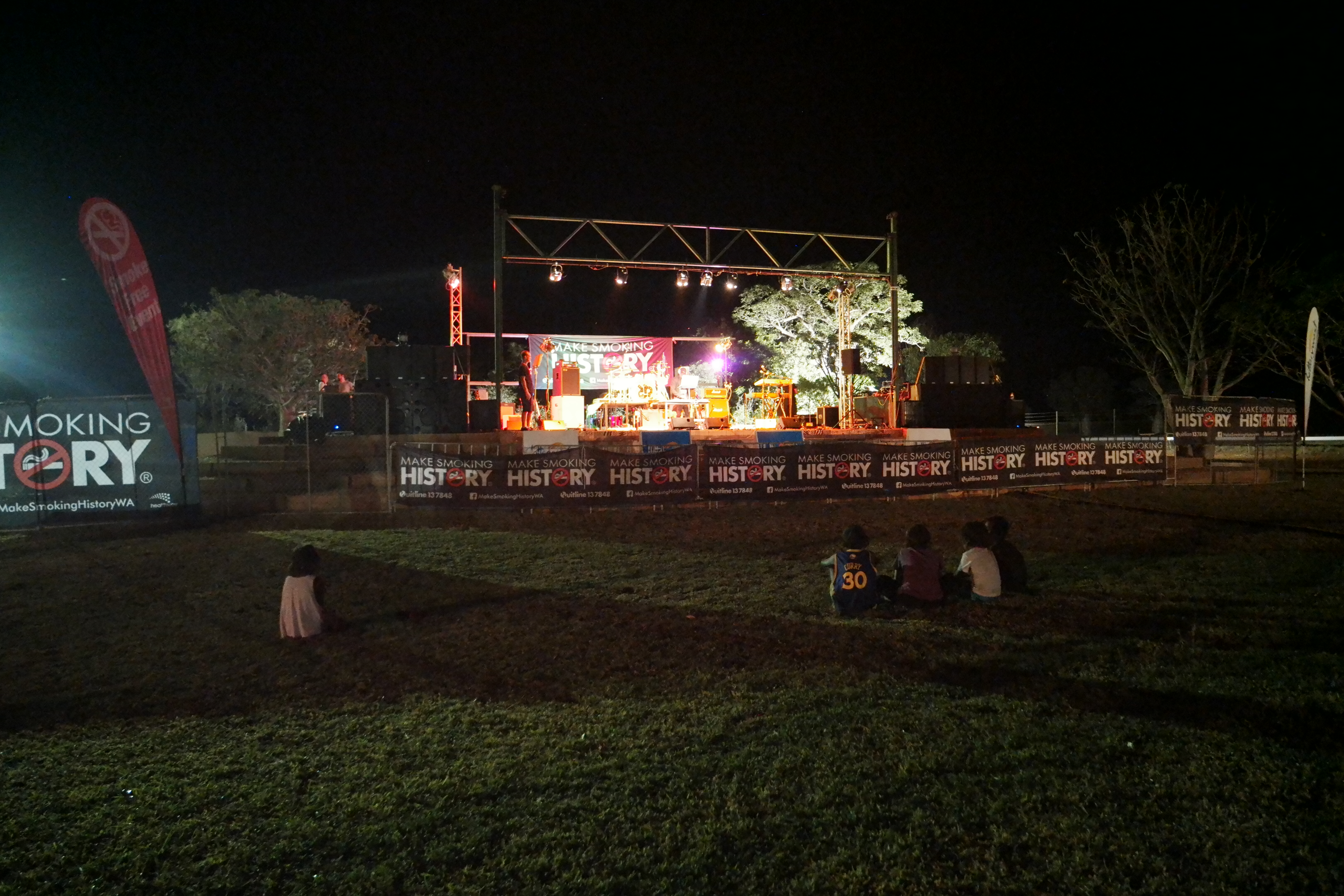
The main attraction in Derby for me was the ‘Make Smoking History’ Moonrise Rock Festival on Saturday night (21 May). It was one of the festivals I found while trawling the Internet a few months ago, and I was drawn to its name for reasons I’ll come to. It was a family-friendly environment, obviously alcohol and drug free, and the bands were mostly local and mostly indigenous. The kids almost outnumbered the parents and footballs were flying everywhere.
I made friends with the people from the local community radio station 6DBY, who were familiar with most of the artists. Like 8PAW in Yuendumu, 6DBY are very involved in the local and surrounding Aboriginal communities. One of the bands from nearby community Mowanjum, Red Alert Worrora Band, has just finished a nine-month recording stint at the station. They played early on in the night and their songs and musicianship were really really good. Another local Derby band, Trax, often play around town. They opened their set with what seemed to be some junior family members. A little girl of no more than 10 was yelling the lyrics into the microphone with indefinite pitch. The kids stopped playing football and ran to the front of the stage to see their friend, who had no reservations. It was the most adorable thing. The crowd soaked it up. The whole night was really entertaining, and not just for the music but for the community vibes – the crowd seemed to get into the music more if they personally knew who was playing (although the Michael Jackson tribute performer had some serious crowd skills).
For such a tiny town I wondered how they have managed to scrounge the funds for 20 years running, and I found the answer quite interesting. ‘Make Smoking History’ is a trademark of Healthway, who collect the taxes made from tobacco sales in WA and put them back into the community through sponsoring health- and youth-based activities. Their other major sponsor is Lotterywest, an actual lottery company. Don’t get me wrong, festivals like this need consistent funding in order to be sustainable and they sure as hell won’t get it from either state or federal government, I just find it maybe slightly troubling that the money has come from things that are tearing the community apart.

Many thanks to Bill Hart for sharing your time and expertise, and to Darren and Tina from 6DBY for being so welcoming. There is so much more to learn here. On top of all of these experiences I’ve also done a lot of article-reading along the way. I have so much thought-sifting and -arranging to do when I get home…









 b. c. s.